Strengthening Digital-Based Campus Governance through Knowledge Sharing with Unusida

Humas Unusia
Content Writer
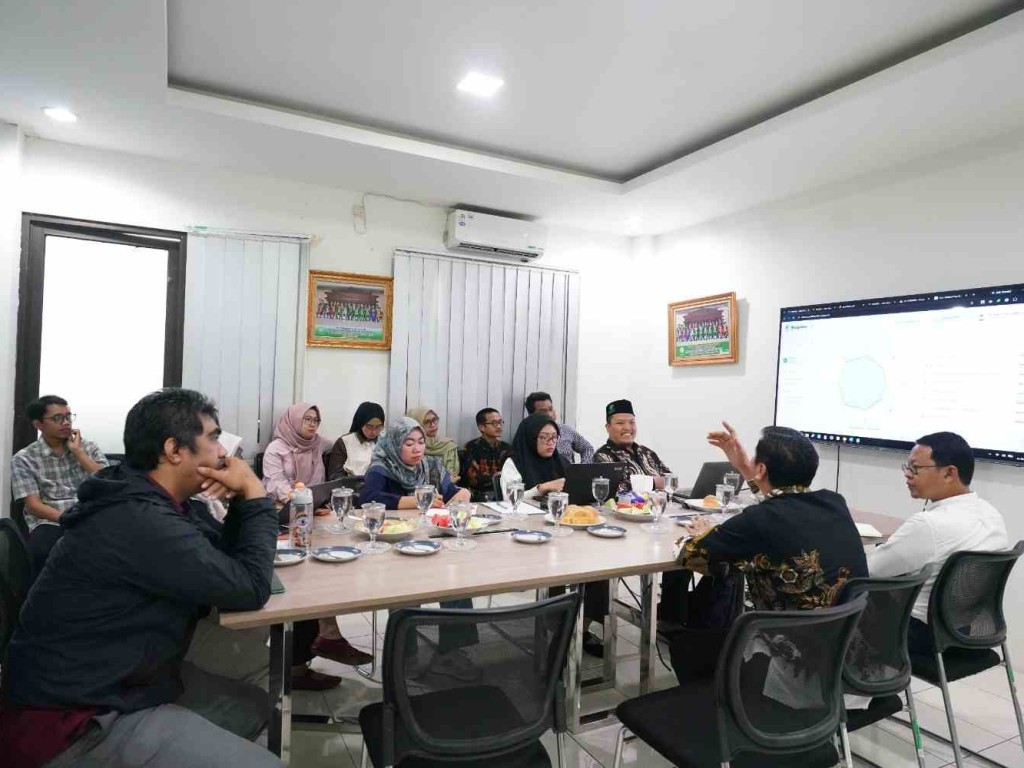
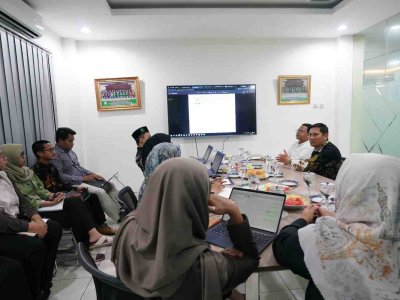
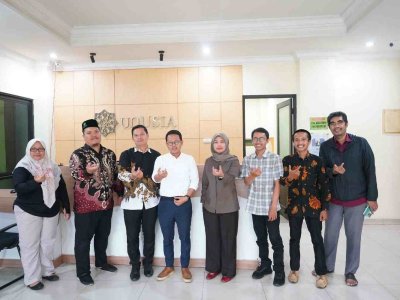
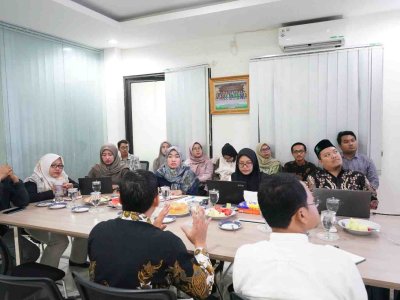
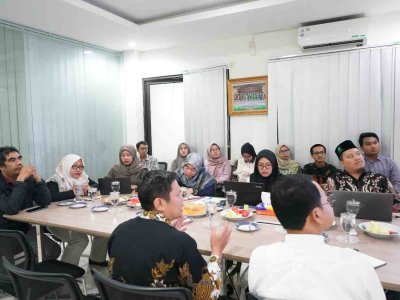
Jakarta – Universitas Nahdlatul Ulama Indonesia (Unusia) held a knowledge-sharing session with Universitas Nahdlatul Ulama Sidoarjo (Unusida) to explore digital-based higher education governance, quality assurance systems, and the implementation of an Outcome-Based Education (OBE) curriculum. The session took place on Thursday, November 19, in the BPP Meeting Room on the 2nd floor of Unusia’s Campus A, led by the Rector of Unusia, Dr. Fariz Alnizar.
During the session, Unusia received an overview of the development of SIDANU—an integrated platform designed to support various higher education services. The system encompasses the management of academic services, official correspondence, finance, student activity monitoring, and the performance management of staff and faculty. This system integration also enables data monitoring via a dashboard, with access rights configured according to each user’s specific functions and authority.
The digitalization of services extends to the management of official correspondence through electronic approval workflows, the monitoring of student activities, and support for the execution of the *Tridarma* (the three pillars of higher education). The system was developed to consolidate various campus management needs into a single platform, ensuring that administrative processes and activity monitoring are conducted in a more structured manner.
Beyond digitalization, the discussion highlighted the strengthening of the internal quality assurance system. Aligning the Strategic Plan (*Renstra*) with quality standards and Internal Quality Audit (*AMI*) instruments is a crucial aspect of measuring the achievement of institutional indicators. Furthermore, the systematic management of achievement data and activity documentation serves to support quality evaluations and accreditation requirements.
On the academic front, the session addressed the implementation of an OBE-based curriculum, the development of Semester Learning Plans (*RPS*), and the monitoring of Graduate Learning Outcomes (*CPL*). Student achievement must be evaluated periodically, with follow-up measures—such as remedial learning—implemented whenever outcomes fall short of established targets. This approach is part of an effort to ensure that the learning process remains aligned with established competency targets.
Through this initiative, Unusia is broadening its perspective on the development of digitally-based higher education governance, the strengthening of quality assurance, and the management of learning in a measurable way. This exchange of experiences serves as a learning opportunity for Unusia to foster campus governance that is integrated, adaptive, and focused on enhancing the quality of higher education.