FEB Unusia Holds International Community Service Program in Egypt, Focusing on Financial Literacy and Social Adaptation

Humas Unusia
Content Writer
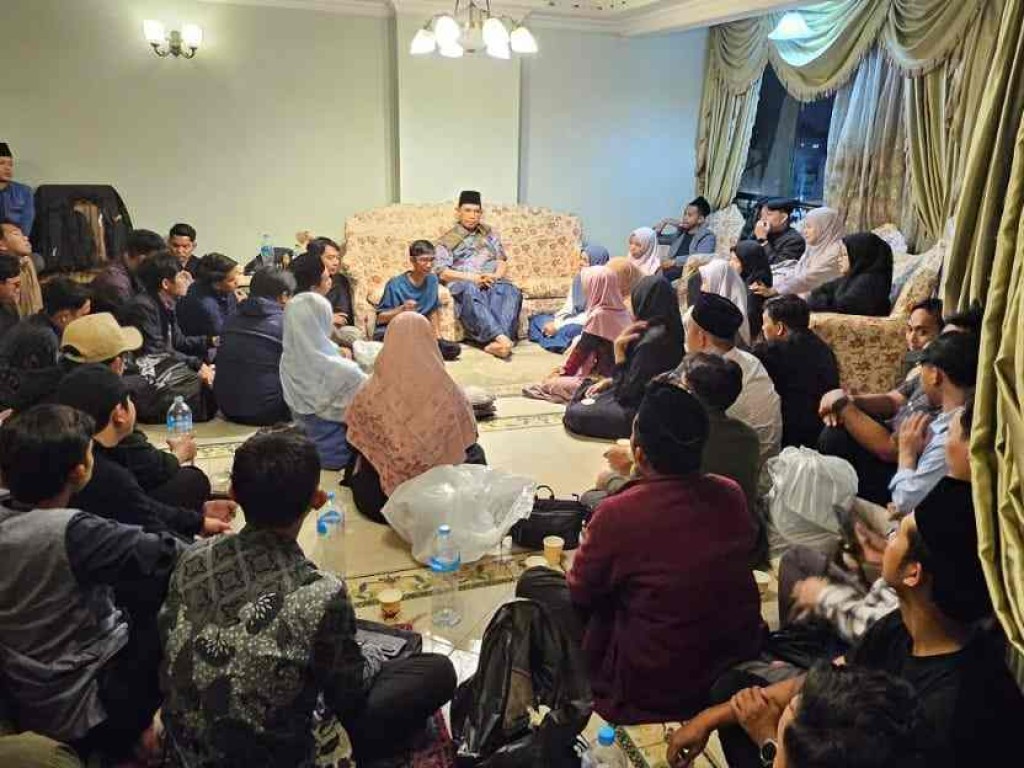
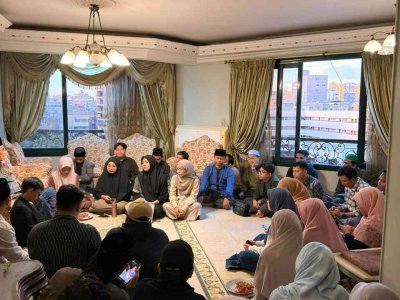
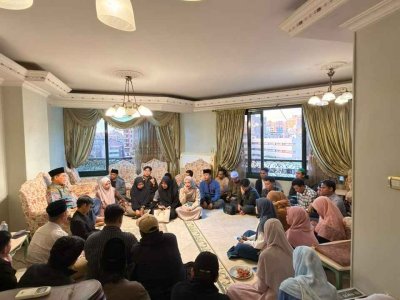
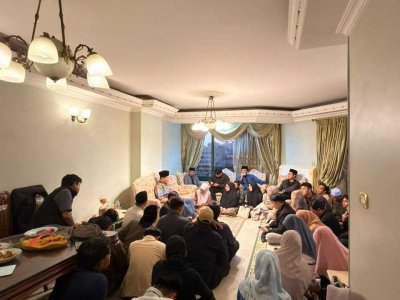
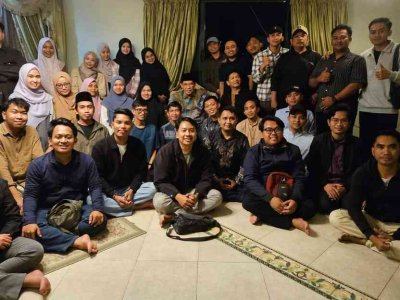
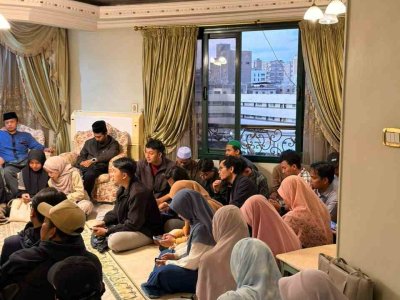
Cairo, Egypt — The Faculty of Economics and Business (FEB) at the Nahdlatul Ulama University of Indonesia (Unusia) conducted an international community service program in collaboration with the Istiqlal Mosque’s Islamic Scholar Cadre Education (PKUMI) initiative on September 28, 2026. The program, held in the Al Mahdi Ibn Baraka area of Nasr City, Cairo, Egypt, involved 54 Indonesian students.
Titled "Capacity Building for Indonesian Students in Cairo: Navigating the Egyptian Social Context, Financial Management, and International Transactions," the initiative is part of FEB Unusia’s efforts to advance the "Tri Dharma" (Three Pillars) of higher education—education, research, and community service—on an international scale. The program specifically focuses on strengthening human resource capacity, financial literacy, and cross-cultural social understanding.
The Dean of FEB Unusia, Dr. Muhammad Aras Prabowo, S.E., M.Ak., emphasized that community service is not confined to Indonesia’s geographical borders. He noted that higher education institutions should also provide meaningful contributions to Indonesians living and pursuing their education abroad.
"Community service should not stop at Indonesia’s geographical boundaries. FEB Unusia must be able to provide knowledge that offers tangible benefits to Indonesians in various countries, including students pursuing their education in Egypt," said Aras.
He explained that Indonesian students studying abroad face unique challenges in managing their finances—ranging from differences in banking systems and the cost of living to exchange rate fluctuations and the complexities of international transactions. Consequently, a solid understanding of budget planning, financial management, digital transaction security, and exchange rate risks serves as an essential foundation for supporting the students' independence throughout their studies. “We encourage students to understand financial management, budget planning, digital transaction security, and exchange rate risks. Financial literacy is not merely an economic skill; it is also a component of character building—fostering independence, discipline, and accountability,” he added.
The Director of PKUMI, Prof. Dr. KH. Ahmad Thib Raya, M.A., highlighted the importance of integrating Islamic education with the ability to comprehend the social and economic realities of the global community. According to him, aspiring *ulama* (Islamic scholars) must possess both a profound understanding of religion and the capacity to interpret the social and economic issues evolving within society.
“Aspiring *ulama* must combine deep religious knowledge with the ability to analyze social and economic challenges. The collaboration between PKUMI and the Faculty of Economics and Business (FEB) at UNUSIA is a significant step toward developing *ulama* who are broad-minded and capable of addressing the challenges of the times,” he explained.
Meanwhile, Muhammad Amin Bukhari, a doctoral student in *Tafsir* (Quranic Exegesis) at Al-Azhar University in Cairo, discussed the social character of Egyptian society—covering communication culture, academic traditions, and the adaptation challenges faced by Indonesian students. Understanding the local social environment is considered essential for helping students navigate both their academic and social lives while in Egypt.
“The ability to adapt to Egyptian society is a vital asset for academic success. Students need to grasp the local cultural character without abandoning their own Indonesian identity and values,” Amin stated.
Through this initiative, FEB UNUSIA strengthens its commitment to community service—a core pillar of the *Tridarma* (three-fold mission) of higher education—on an international scale. Furthermore, the collaboration with PKUMI creates a synergy between the fields of economics, accounting, and financial management, and Islamic education, effectively addressing the needs of Indonesian students abroad.