Hasan Basri Explores the Scholarly Heritage of Imam Bukhari and Maturidi During a Visiting Research Program in Uzbekistan

Humas Unusia
Content Writer
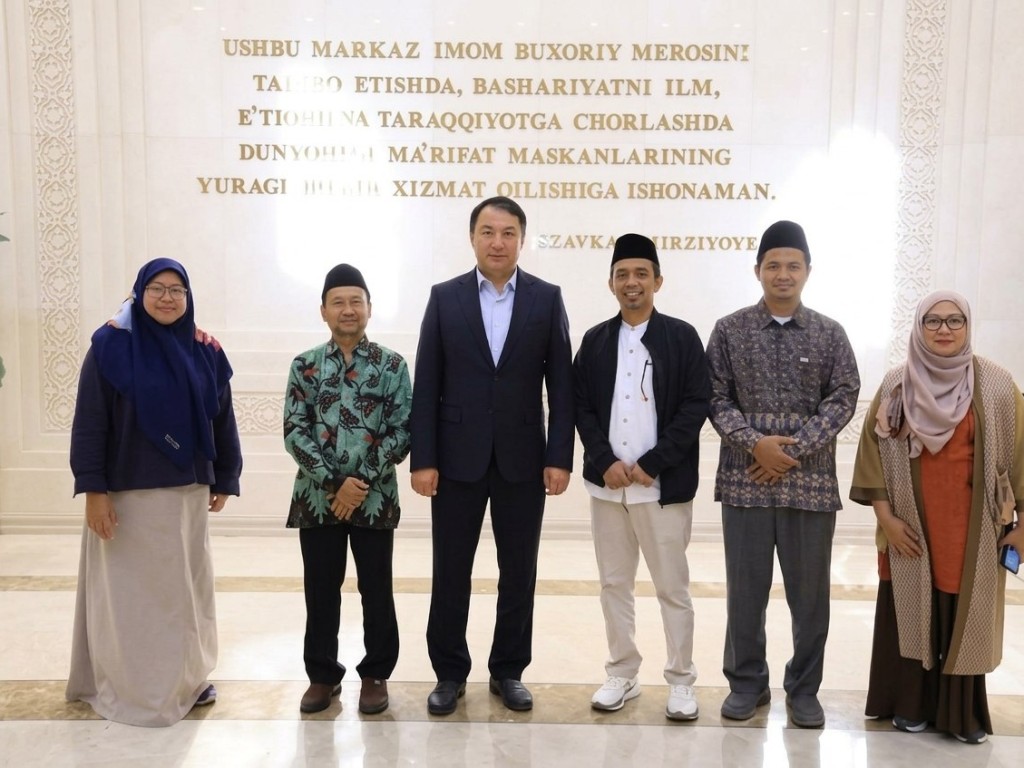
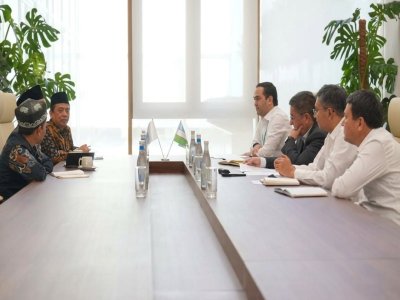
Uzbekistan — Mohammad Hasan Basri, Ph.D., a lecturer at Nahdlatul Ulama Indonesia University (Unusia), is continuing his academic activities as part of the Nahdlatul Ulama Higher Education Institute (LPTNU) Visiting Research program in Uzbekistan. Alongside three other delegates, Hasan Basri is conducting research and building academic networks with various Islamic study institutions in the country.
The research activities are taking place in cities that hold significant positions in the history of Islamic scholarship, including Tashkent, Samarkand, and Bukhara. In Tashkent, the delegates engaged in academic activities at the Imam Maturidi International Scientific Research Center, where they were provided with workspace facilities to support their research.
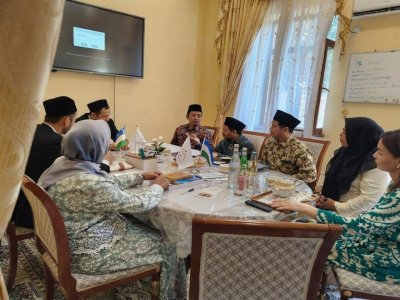
The program then moved to Samarkand with a visit to the Imam Bukhari International Scientific Research Center. The delegates participated in scholarly seminars and held discussions with researchers at the institute. These meetings are part of an effort to expand knowledge exchange and academic networking between NU higher education institutions in Indonesia and Islamic research institutions in Uzbekistan.
During this series of activities, Hasan Basri also explored scholarly resources relevant to his research focus: "Reading Sahih al-Bukhari Ecologically: Constructing the Concept of Eco-Sunnah." This study is part of his effort to interpret *Sahih al-Bukhari* through an ecological lens and to explore the potential for developing the "Eco-Sunnah" concept within contemporary Islamic studies.
After Samarkand, the delegates continued their academic agenda in Bukhara. They held discussions with researchers at the Bahouddin Naqshband Research Center to deepen their understanding of the evolution of Islamic intellectual traditions in Central Asia.
In addition to research activities and academic discussions, the Visiting Research program also included guest lectures and seminars. The delegates visited several sites significant to the history of Islamic scholarship, including the tombs of Imam al-Maturidi, Imam Abu Laits as-Samarkandi, and Imam Bukhari, as well as the Seven Saints—or *Haft Pir*—in Bukhara.
This series of activities bridged the research process with direct exploration of Central Asia's Islamic intellectual heritage. For Hasan Basri, the academic experience at these centers of study served to enrich his research perspective while also opening avenues for developing international academic networks.
Hasan Basri’s participation in this program reinforces Unusia’s efforts to foster research development and academic collaboration at the international level. Through this research experience in Uzbekistan, classical Islamic scholarship can continue to be examined from an academic perspective that remains relevant to contemporary scholarly developments.