Unusia Senate Chair Ahmad Suaedy Calls for a Re-examination of NU History During a Book Review at BRIN

Humas Unusia
Content Writer
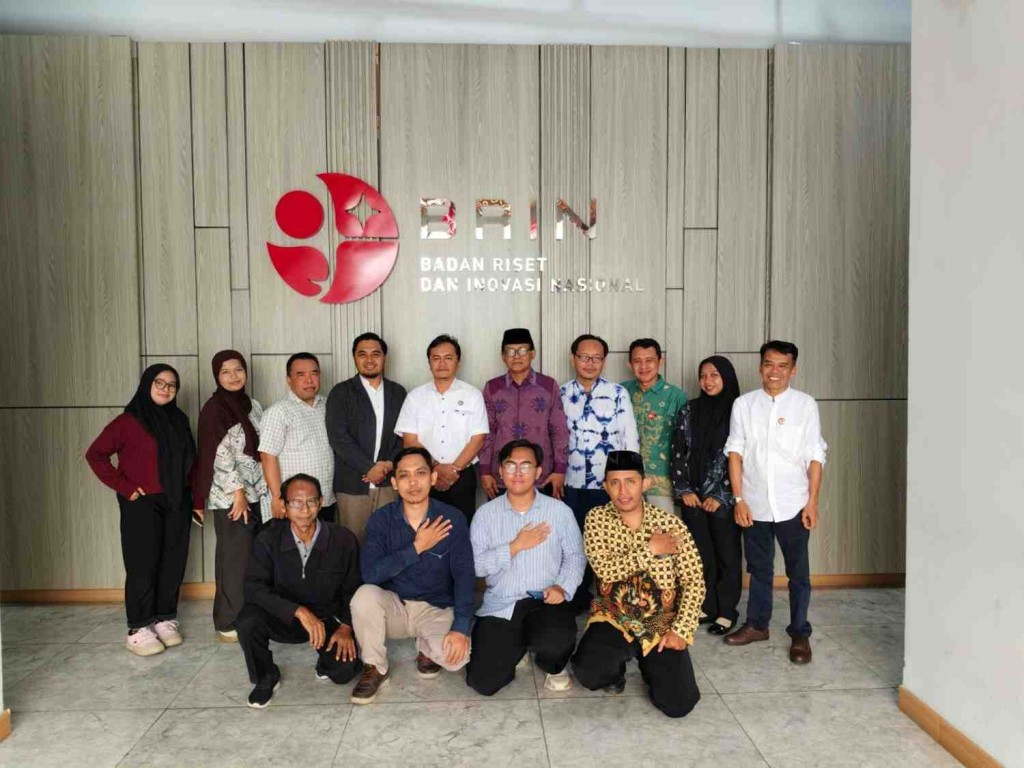
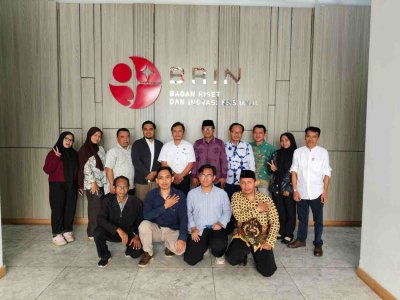
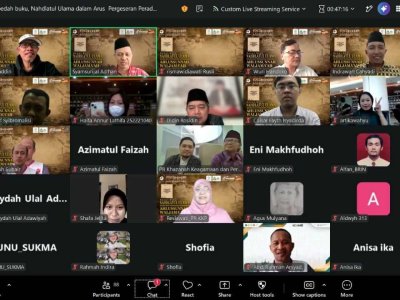
Jakarta — Ahmad Suaedy, Chair of the Senate at the Nahdlatul Ulama University of Indonesia (Unusia) and a lecturer in the History of Islamic Civilization, has emphasized the importance of revisiting the history of Nahdlatul Ulama (NU) and *Ahlussunnah wal Jamaah* (Aswaja) within the context of Indonesian historiography. He shared this perspective during a webinar reviewing the book *Nahdlatul Ulama in the Flow of Shifting Civilizations: Ahlussunnah wal Jamaah in the Archipelago (1800–1952 AD)*, hosted by the Research Center for Religious Heritage and Civilization at the National Research and Innovation Agency (BRIN) on Wednesday (October 28, 2026).
In his presentation, titled "Writing History from the Margins: Aswaja-NU in Indonesian History," Suaedy pointed out that modern Indonesian historiography often prioritizes modernization as its primary framework. He argued that this approach risks diminishing the role of grassroots communities—including *ulama* (Islamic scholars) and the *Aswaja* community—in shaping the nation’s historical trajectory.
Suaedy explained that *Aswaja* should not be narrowly perceived as a conservative religious ideology that rejects modernization. Rather, this tradition is defined by the continuity of scholarly lineages (*sanad*), adherence to *madhhab* (schools of jurisprudence), and the practice of *tasawwuf* (Sufism) alongside classical Islamic traditions. These characteristics have shaped a distinct way for the *Aswaja* community to respond to social, political, and civilizational changes.
He further outlined several historical moments that contributed to the marginalization of *Aswaja* within the narrative of Indonesian history—ranging from the resistance led by Prince Diponegoro (which drew support from *kiai* and *tarekat* or Sufi orders) and the implementation of the "Ethical Policy" during the colonial era, to the way history was written in the post-independence period. In this interpretation, the roles of religious movements and local communities are considered to have not yet received full recognition within mainstream historical narratives.
Furthermore, Suaedy traces the roots of the Nahdlatul Ulama (NU) vision of nationhood by examining the evolution of intellectual and social movements across the Indonesian archipelago—including *Tashwirul Afkar*, *Nahdlatut Tujjar*, and *Nahdlatul Wathan*. He also highlights the 1936 NU Congress in Banjarmasin, which addressed the status of the Dutch East Indies as *Darul Islam* (an Islamic domain). This discussion illustrates how the perspectives of *ulama* (Islamic scholars) regarding religion, territory, and communal life contributed to the dynamics that shaped the concept of Indonesian nationhood.
The book under review is Volume I, covering the period from 1800 to 1952 CE. It was published by Unusia Press, edited by Ahmad Suaedy and Agus Mulyana, and features an introduction by the General Chairman of the PBNU (Executive Council of Nahdlatul Ulama), KH. Yahya Cholil Staquf. Through this study, the history of NU is examined not merely through the lens of its organizational development, but also through the intellectual legacy of its *ulama* and the role of the *Aswaja* (Ahlussunnah wal Jama'ah) tradition in responding to the changing times.
This analysis provides a space to enrich perspectives on the relationship between Islam, society, and nationhood within Indonesian history. For the field of Islamic Civilization History, this re-examination of NU’s history offers an opportunity to better understand the contributions of *ulama* and the intellectual traditions of Islam in the Indonesian archipelago toward shaping religious and national life—a legacy that continues to resonate today.