Unusia Lecturer Invited by Chinese Embassy to Participate in Academic Diplomacy in Beijing and Chongqing

Humas Unusia
Content Writer
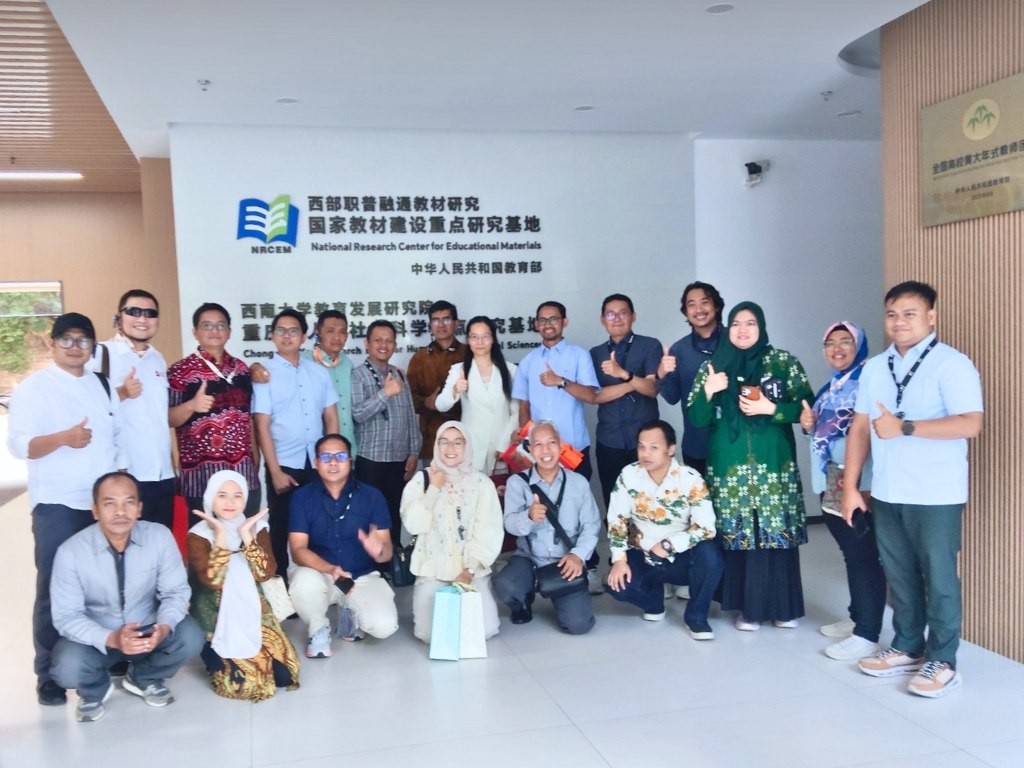
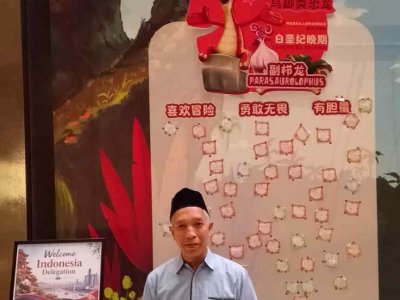
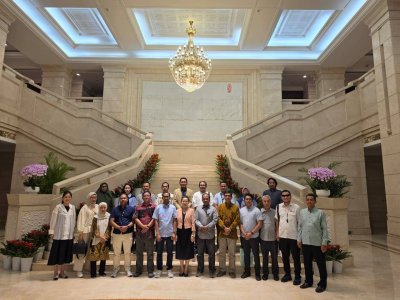
Beijing – Roziqin, a lecturer at the Nahdlatul Ulama University of Indonesia (Unusia), participated in a cultural and academic visit for Indonesian alumni of Chinese universities to Beijing and Chongqing from October 10–16, 2026. Roziqin is an alumnus of the doctoral program at Zhejiang University, where he completed his studies between 2019 and 2022. The visit, organized at the invitation of the Embassy of the People’s Republic of China (PRC), included 20 Indonesian academics and professionals—all holding master’s or doctoral degrees—with the aim of expanding knowledge networks, exploring developments in innovation, and strengthening Indonesia-China relations.
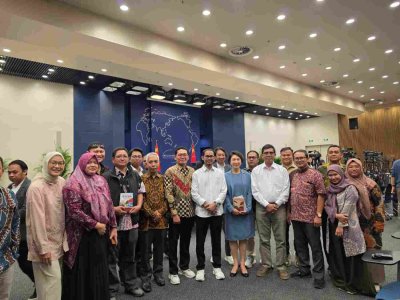
In Beijing, the delegation met with Mao Ning, spokesperson for the Chinese Ministry of Foreign Affairs and Director-General of the Department of Press, Communication, and Public Diplomacy. During the meeting, the delegation presented two books concerning the relationship between the two nations: *75 Years of Indonesia-China Relations* and *Indonesia-China: From the Roots of Civilization to a Fruitful Partnership*. This engagement served as part of an effort to broaden the exchange of knowledge and perspectives on bilateral ties through academic and cultural channels.
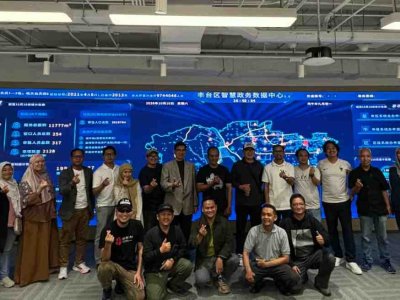
Beyond diplomatic activities, the delegation visited the Exhibition Center of the Zhongguancun National Innovation Demonstration Zone in Beijing, a renowned hub for technological innovation in China. There, the participants explored various technological advancements—ranging from artificial intelligence (AI), humanoid robots, autonomous vehicles, and precision manufacturing to health technologies and renewable energy. The visit provided insight into the development of an innovation ecosystem that bridges universities, research institutions, government bodies, and the industrial sector.
The lessons drawn from Zhongguancun are also highly relevant for Indonesian higher education institutions, particularly in strengthening the downstreaming of research, fostering cross-sector collaboration, and applying scientific knowledge to address the needs of society. The development of innovation relies not only on research findings but also on policy support, funding, human resources, and implementation pathways that allow research outcomes to deliver tangible benefits.
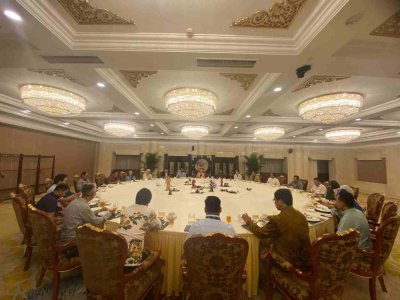
The series of visits continued in Chongqing, featuring an academic agenda at Southwest University, visits to the Foreign Affairs Office of the Chongqing Municipality and the Chongqing Planning Exhibition Gallery, as well as a discussion and dinner with Fan Qing, Deputy Director General of the Foreign Affairs Office of the Chongqing Municipality. These activities provided the delegation with broader insights into academic developments, urban planning, and institutional relations within the region.
The delegation included Indonesian academics and professionals from diverse backgrounds, such as KH. Imron Hamid, Rector of Raden Rahmat Islamic University (UNIRA) Malang and an official of PBNU; Budy Sugandi, Executive Director of Cendekia Madani and Deputy Secretary-General of GP Ansor; Muhammad Aziz, a lecturer at Ahmad Dahlan University (UAD) and an official of PP Muhammadiyah; Syaifudin Zuhri, Director of the Sino Nusantara Institute and representative of PCINU China; and Arafat Febriandirza, a researcher at the National Research and Innovation Agency (BRIN). This diverse composition reflects the involvement of higher education institutions, civil society organizations, and research bodies in expanding academic ties and knowledge exchange between Indonesia and China.
Roziqin’s participation in this visit highlights the engagement of academics from Unusia (Nahdlatul Ulama Indonesia University) within transnational knowledge networks. His educational background at Zhejiang University served as a valuable foundation for understanding the evolution of higher education and the innovation ecosystem in China, while also identifying opportunities to apply such knowledge toward the advancement of the "Tridharma" (the three pillars of higher education: education, research, and community service).