Unusia Senate Chair Ahmad Suaedy Discusses Confucianism and *Aswaja Nusantara* at UIN Jakarta

Humas Unusia
Content Writer
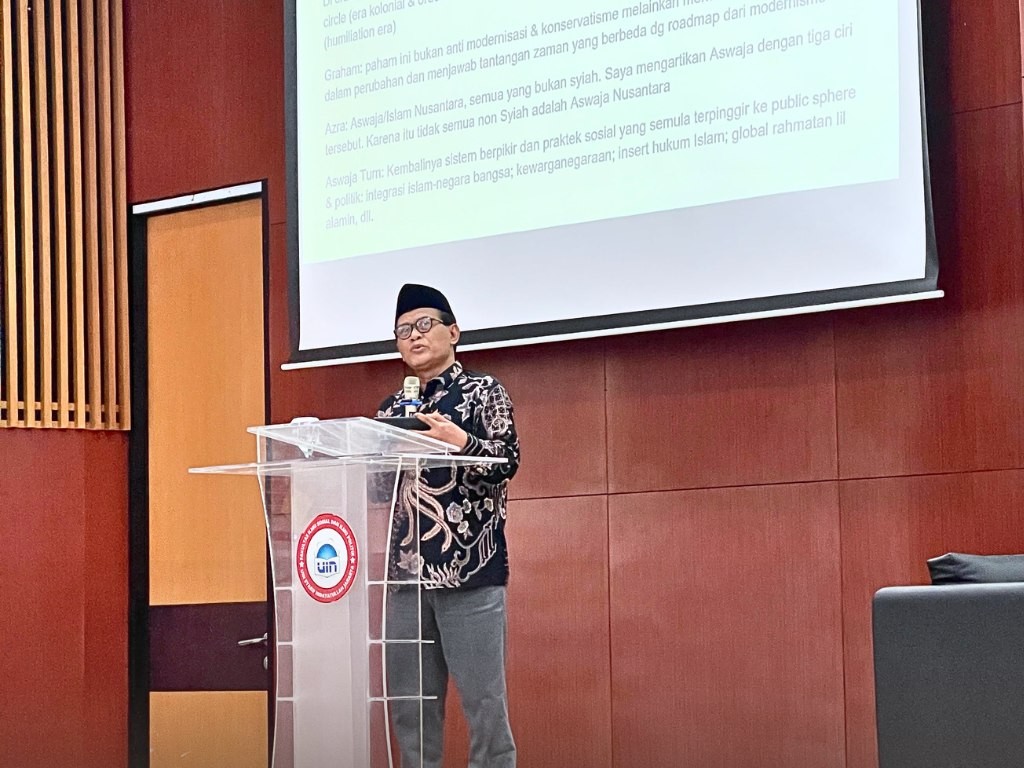
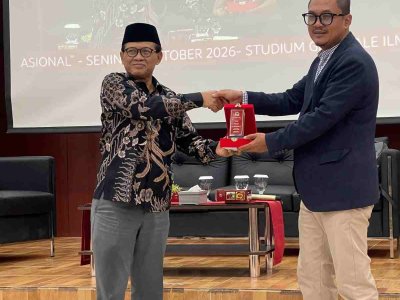
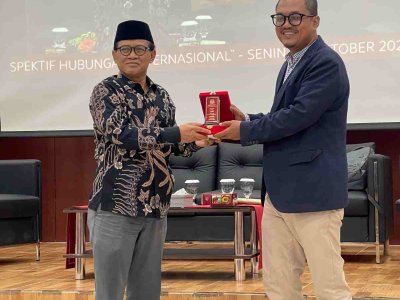
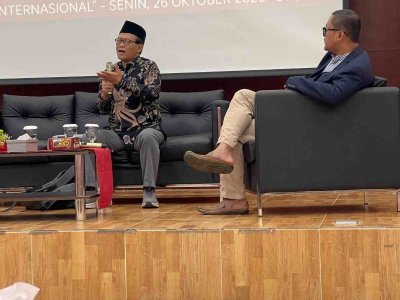
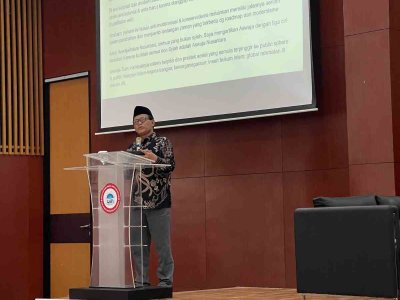
Jakarta — Ahmad Suaedy, Chair of the Senate at Nahdlatul Ulama Indonesia University (Unusia), served as a speaker during a *Studium Generale* titled “Islam and Confucianism: An International Relations Perspective,” hosted by the International Relations Study Program at the Faculty of Social and Political Sciences (FISIP), UIN Syarif Hidayatullah Jakarta, on Monday (October 26, 2026). In the forum, he explored the resurgence of spirituality in politics by comparing Confucianism in China with *Ahlussunnah wal Jamaah* (*Aswaja*) *Nusantara*—the traditional, moderate form of Sunni Islam—in Indonesia.
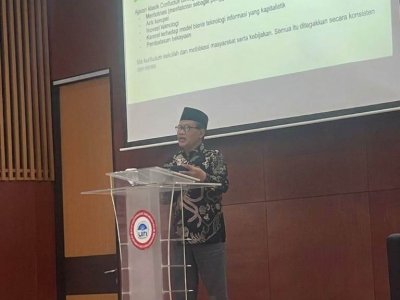
In his presentation, titled “The Resurgence of Spirituality in Politics: Confucianism in China and *Aswaja Nusantara* in Indonesia,” Ahmad Suaedy outlined how spiritual values and traditional schools of thought are regaining a place within the public sphere. According to his analysis, this phenomenon extends beyond religious life, influencing governance, public policy, societal dynamics, and international diplomacy.
Regarding China, Suaedy explained efforts to integrate Confucian values into modern life. He highlighted social ethos elements such as meritocracy, anti-corruption measures, technological innovation, and economic welfare and equality. On the international stage, he noted that the Confucian emphasis on harmony and peace serves to support China’s diplomacy and the strengthening of its influence through a “soft power” approach.
Meanwhile, in the Indonesian context, Suaedy underscored the role of *Aswaja Nusantara* in fostering a moderate national life and society. Values such as *tawassuth* (moderation), *tawazun* (balance), and *i'tidal* (justice)—alongside a commitment to the nation, tolerance, non-violence, and an openness toward local cultures—form a core part of his discussion. He further explores how these values interact with Indonesia’s democratic system and public policy.
Despite differences in their respective political systems and the values they prioritize, Suaedy identifies an opportunity for cooperation between China and Indonesia, rooted in their respective spiritual traditions. In his concluding remarks, he notes that while Confucianism in China emphasizes an ethos of modernity, innovation, meritocracy, and economic equality, the *Aswaja Nusantara* (Indonesian *Ahlussunnah wal Jamaah*) tradition highlights tolerance, harmony, and political rights. He advocates for strengthened collaboration between the two nations to foster a global balance oriented toward harmony, justice, and non-exploitative relationships.
Through the advancement of Islamic studies and the strengthening of academic traditions, Unusia continues to promote *Islam Nusantara*—a school of thought rooted in *Ahlussunnah wal Jamaah* values that remains responsive to contemporary developments and contributes to an inclusive, peaceful, and just society.