Unusia Rector Highlights Strengthening of Research and Collaboration Among Nahdlatul Ulama Higher Education Institutions (PTNU)

Humas Unusia
Content Writer
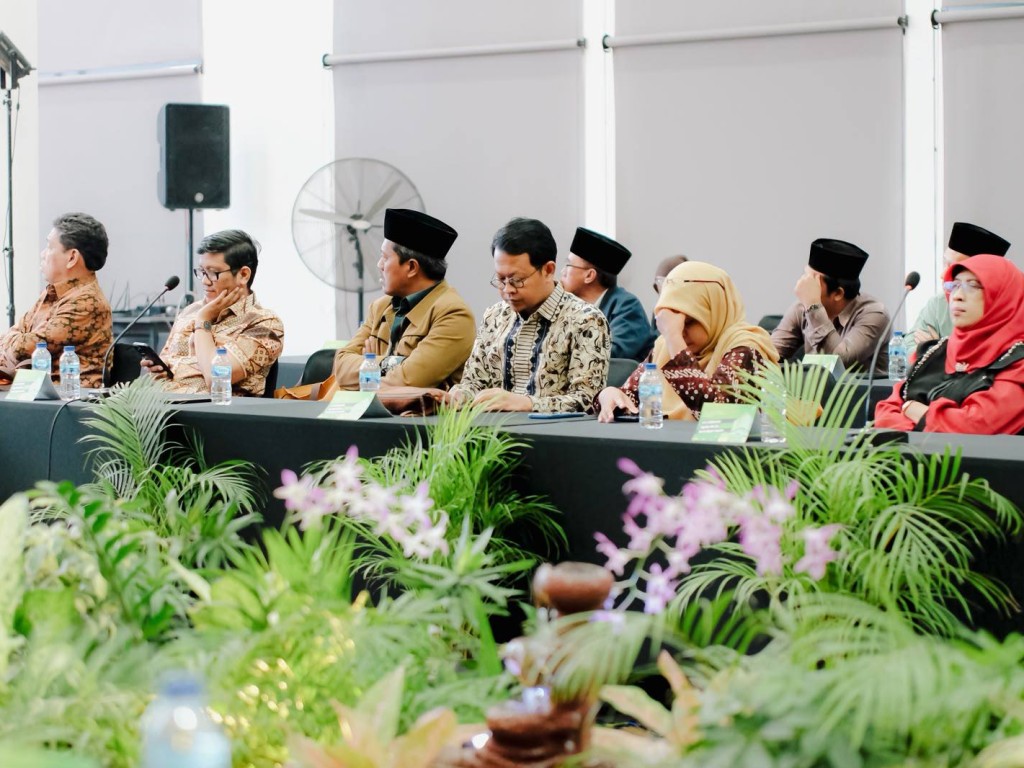
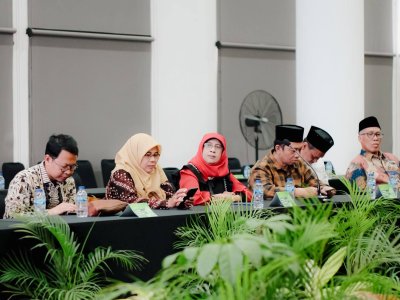
Yogyakarta — Enhancing academic quality, research, and collaboration has become a key agenda for the future development of Nahdlatul Ulama Higher Education Institutions (PTNU). This topic was addressed during a meeting of PTNU leaders—attended by the Rector of the Nahdlatul Ulama University of Indonesia (Unusia), Dr. Fariz Alnizar—held at the Nahdlatul Ulama University of Yogyakarta (UNU Jogja) on Friday (October 30).
The meeting focused on formulating strategic steps and development programs for PTNU for the 2026–2031 period. Fariz explained that the discussions went beyond merely drafting a shared agenda; they also emphasized the importance of aligning visions and strengthening synergy among the various Nahdlatul Ulama-affiliated higher education institutions.
“The primary agenda of this meeting was to formulate strategic steps and development programs for PTNU for 2026–2031, with a focus on aligning visions and strengthening synergy among Nahdlatul Ulama higher education institutions,” Fariz stated.
According to him, PTNU institutions must continuously enhance their institutional capacity to address the increasingly competitive challenges within higher education. Prioritizing academic quality, research capacity, and innovation is essential, ensuring that these institutions not only grow organizationally but also make a more significant contribution to the advancement of knowledge and society.
“Moving forward, PTNU institutions need to strengthen their academic quality, research capacity, innovation, and competitiveness so that they can contribute more substantially to the development of science and society,” he said.
For Unusia, the forum also provided an opportunity to expand cooperation with other Nahdlatul Ulama higher education institutions. Fariz noted several potential areas for collaboration, including joint research, faculty and student exchanges, the development of academic programs, and the sharing of resources and inter-campus networks. Such collaboration serves as a strategic move to bolster academic capacity while broadening Unusia’s overall impact. Fariz emphasized that the discussions held within the forum must be translated into concrete actions at each respective higher education institution. At Unusia, one necessary follow-up step is to align the university’s development programs with the strategic agenda of the Nahdlatul Ulama Higher Education Institutions (PTNU) for the 2021–2026 period.
“The hope is that the outcomes of this meeting will not merely remain as ideas, but will be followed up with tangible programs at Unusia,” he stated.
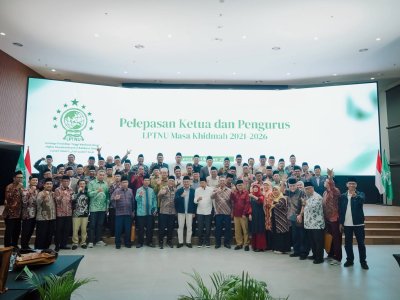
The meeting of PTNU leaders took place alongside the farewell proceedings for the outgoing Chair and board members of the Nahdlatul Ulama Higher Education Institute (LPTNU) for the 2021–2026 term. Unusia’s participation in this forum is part of an effort to strengthen networks and synergy with other NU-affiliated higher education institutions, while simultaneously fostering campus development that is consistent with the strategic direction of the PTNU.