Unusia Strengthens Work Culture for Administrative Staff through Enhanced Integrity and Excellent Service

Humas Unusia
Content Writer
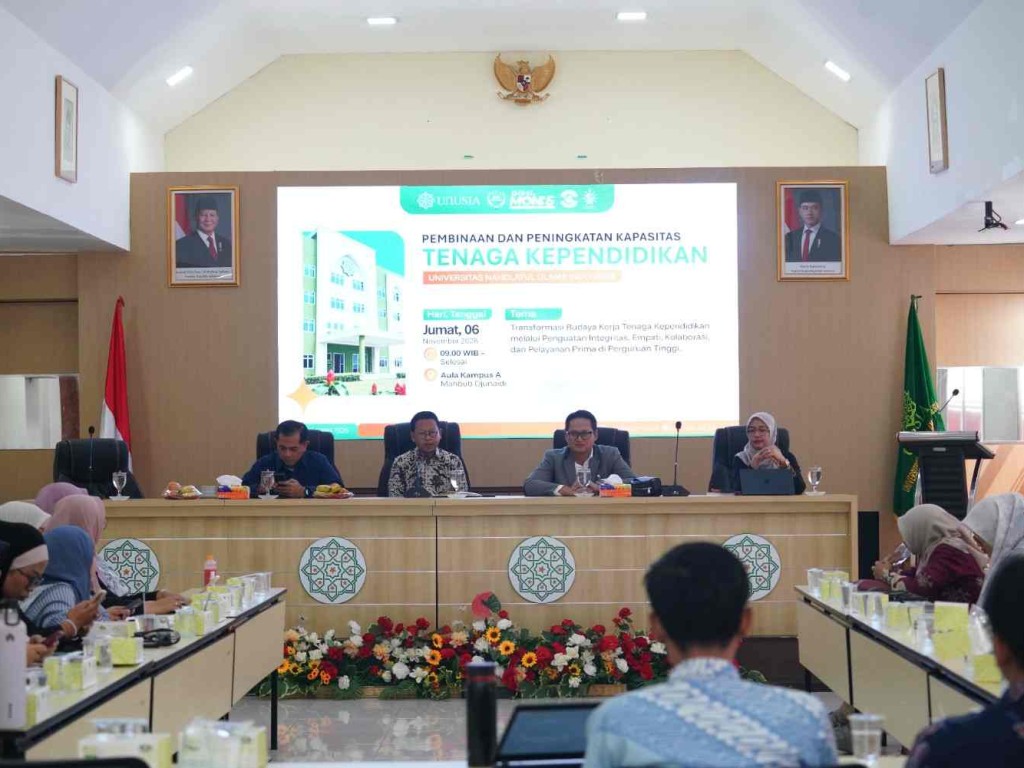
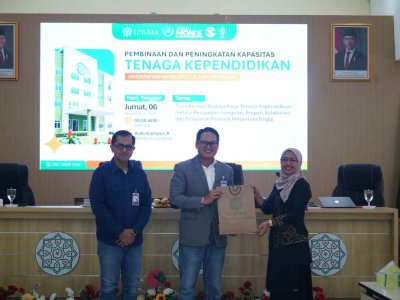
Jakarta – Universitas Nahdlatul Ulama Indonesia (Unusia) is strengthening the work culture of its administrative staff through a capacity-building and development program held on Friday (November 6). Centered on the theme “Transforming Administrative Work Culture through Integrity, Empathy, Collaboration, and Excellent Service in Higher Education,” the initiative provided a space for staff to revisit their roles and contributions in supporting higher education services.
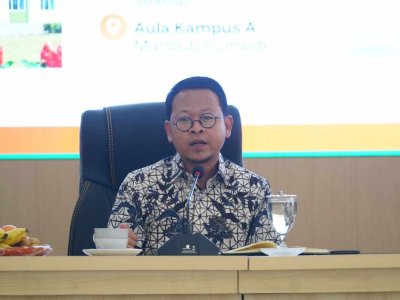
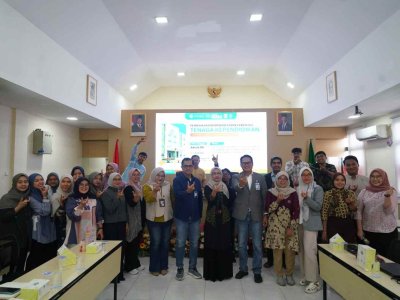
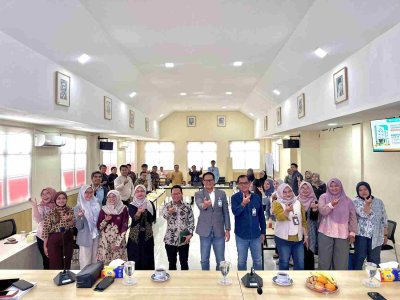
The event, held at the Mahbub Djunaidi Hall on the university’s Campus A, featured Dipo Satri Alam—Area Head for the BRI Jakarta 1 Regional Office—as the keynote speaker. Also in attendance were Niko Adiwena Perdana, Branch Manager of BRI Jakarta Segitiga Senen, and Winda Budi Nastiti, an RM for Funding and Transactions. Representing Unusia were Rector Dr. Fariz Alnizar, Vice Rector for Resources and Finance Dr. Fira Mubayyinah, and the entire administrative staff.
In her remarks, Fira emphasized that service within a higher education environment goes beyond merely fulfilling administrative requirements. It shapes the experiences and impressions formed by students and the academic community whenever they interact with any university unit.
“We are fortunate that the services we provide still involve human interaction and cannot be entirely replaced by AI (artificial intelligence). There is an element of experience, empathy, and a human touch that we must bring to every service interaction. Therefore, we need to consider what kind of positive experience we want to provide to the entire academic community,” Fira stated.
Meanwhile, Fariz encouraged the administrative staff to shift their mindset—moving from simply executing administrative tasks to providing services that are oriented toward the needs of the users. According to him, high-quality service should offer convenience, clarity, and effective solutions for students and the academic community alike. “Students need services that simplify processes and provide clarity. When they have a specific need, we must help guide them through the necessary steps and offer alternative solutions. Therefore, we need to shift our mindset from a purely administrative focus to a ‘service mindset,’” said Fariz.
Moving into the main session, Dipo Satri Alam discussed the importance of building a work culture through habits and behaviors practiced in daily activities. According to him, a work culture cannot be established solely through rules and procedures; rather, it must be reflected in how each individual carries out their responsibilities, interacts with others, and delivers services.
He also emphasized that changing a work culture must begin with oneself. Every staff member plays a role in fostering a positive work environment, aligning individual behavior with organizational goals, and strengthening collaboration across work units. Furthermore, a willingness to continuously learn and adapt is essential for improving the quality of service.
Following the training session, the program continued with a presentation on job analysis by Fira Mubayyinah. This session explored the roles and responsibilities associated with each position at Unusia, aiming to clarify task execution and support organizational effectiveness.
One of the participants, Novita Ayu Nur Maulidah, a Finance Staff member, noted that the training provided valuable material for the staff. She expressed hope that similar sessions would be held regularly, incorporating a wider variety of delivery methods.
“The content was excellent, and the speaker was outstanding. I hope activities like this can be held on a regular basis. Perhaps in the future, the delivery methods could be more varied—for instance, by including ice-breaking activities,” said Novita.
Meanwhile, Abdul Ghofur, the IT Manager, remarked that the training could serve as a source of motivation for staff to continuously improve themselves and build a better work culture. He noted that transforming a work culture is a process that requires ongoing guidance and development. “This training is quite effective in motivating us to improve and in fostering a more positive work culture. However, building a work culture is, of course, a process. I hope that initiatives like this do not end here, but are instead followed by further development programs that can continue to boost the morale of our educational support staff,” said Ghofur.
Through this program, Unusia encourages its educational support staff to embody the values of integrity, empathy, collaboration, and excellent service in their daily work. This capacity-building effort is intended to be an integral part of developing a work culture that is more adaptive, professional, and focused on enhancing the quality of educational services.