Unusia Hosts CERP Training to Strengthen Disaster Preparedness

Humas Unusia
Content Writer
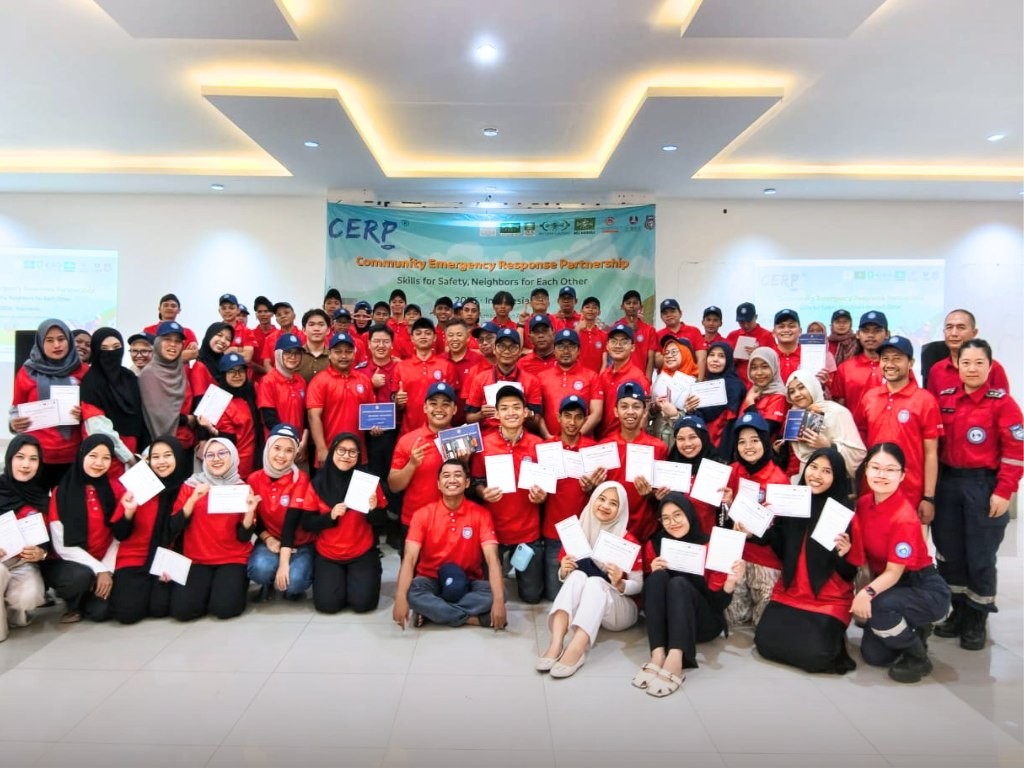
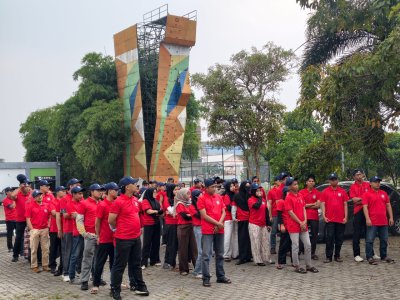
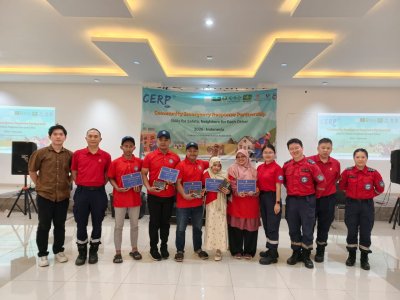
Bogor – The Unusia Laboratory served as the venue for the "Community Emergency Response Partnership (CERP): Skills for Safety, Neighbors for Each Other" training. This event was a collaborative effort involving NU Care-LAZISNU, the Shenzhen Rescue Volunteers Federation, the China Merchants Foundation, and the Sany Foundation (July 29).
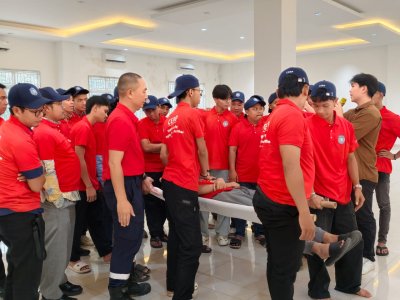
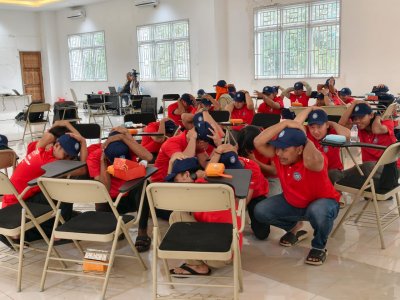
During the opening ceremony, Mohammad Hasan Basri, PhD, the program's Person-in-Charge (PIC), explained that the CERP training was designed to equip participants—including students, staff, and local community members—with the knowledge and practical skills needed to handle emergency situations. Beyond enhancing individual preparedness, the program aims to build collective resilience, enabling the community to assist and protect one another during emergencies.
The training at the Unusia Laboratory marked the second session in a series of eight CERP training events held across various regions of Indonesia. The program had previously been inaugurated by the Chairman of the PBNU Executive Board (Tanfidziyah), Gus Yahya, at the Acacia Hotel in Jakarta on July 28.
Dewi Rochmawati, a representative from NU Care-LAZISNU, also attended the event. In her remarks, she noted that this collaboration between Indonesia and China reflects a shared commitment to humanitarian values, humanitarian action, disaster preparedness, and strengthening community capacity to face various emergency situations.
A representative from the Shenzhen Rescue Volunteers Federation expressed appreciation for the importance of cross-institutional and cross-border collaboration in bolstering community resilience. Special recognition was given to the partnership between NU Care-LAZISNU and the Shenzhen Rescue Volunteers Federation, supported by the China Merchants Foundation and the Sany Foundation.
Representing Unusia, Dr. Siti Nabilah, Vice Dean of the Faculty of Nusantara Islam, opened the training session. She welcomed the CERP initiative as a means of equipping the academic community with essential skills for disaster preparedness and response. “By equipping ourselves with practical knowledge and emergency response skills, we strengthen not only individual preparedness but also collective resilience. Together, we can create a safer society where neighbors are ready to assist one another when emergencies arise,” he said.
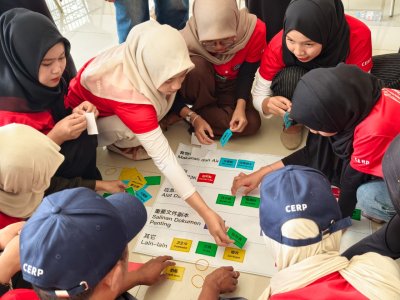
During the training, participants were encouraged to participate actively, learn from experienced trainers, share knowledge and experiences, and build networks and partnerships that could be further developed after the program concluded.
The implementation of CERP at the Unusia Laboratory marks a significant step in bolstering community preparedness and resilience against disasters. This initiative also highlights the importance of collaboration among civil society organizations, humanitarian agencies, foundations, volunteers, and local communities in building a society that is safer and better prepared for emergencies.